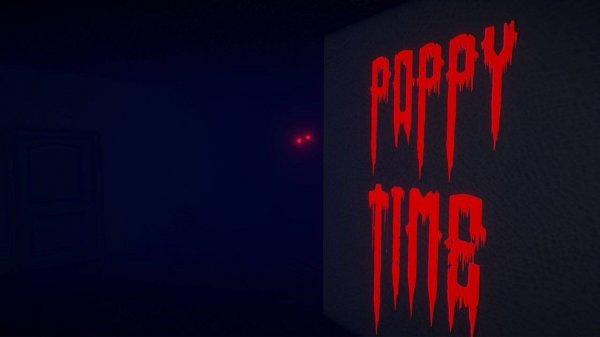
Atmosphere and Setting
Shadow House transforms the ordinary concept of home into a place of quiet tension. The rooms you once knew become unfamiliar, with dim lighting and subtle sound effects that keep you alert. The game builds suspense without relying on graphic imagery, making it suitable for players of all ages. The environment encourages careful observation, as every corner might hide a useful object or a clue to the next step.
Core Puzzle Mechanics
Progress in Shadow House depends on solving a series of interconnected puzzles. These challenges often require you to find and combine items scattered throughout the house. Some puzzles involve pattern recognition, while others ask you to manipulate objects in the environment. The difficulty curve feels natural, gradually introducing new concepts without overwhelming the player. Each solved puzzle brings you closer to unlocking another area of the house.
Stealth and Timing
A key element of the experience is avoiding the guardian that patrols the halls. This character moves according to a set pattern, and you must use both visual cues and audio signals to predict its location. Hiding behind furniture or in closets becomes necessary when the guardian approaches. The timing of your movements matters, as rushing can lead to detection and a reset of your progress. This adds a layer of strategy to the exploration.
Multiple Endings and Replay Value
Your choices and efficiency during the game determine which of several conclusions you reach. Some endings require finding all hidden items, while others depend on how quickly you complete certain tasks. This design encourages replaying the game to experience different outcomes. The auto-save feature allows you to try again after a setback without losing all your progress, making each attempt feel like a fresh start.
Visual and Audio Design
The graphics in Shadow House use a high-definition art style that emphasizes shadows and muted colors to create a moody atmosphere. The sound design plays a crucial role, with footsteps, creaking doors, and ambient noises providing important information about your surroundings. The music shifts subtly to indicate changes in tension, helping you stay immersed in the experience. The overall presentation supports the game's focus on thoughtful problem-solving rather than action.


















Comments
0 comments