Core Observation Mechanics
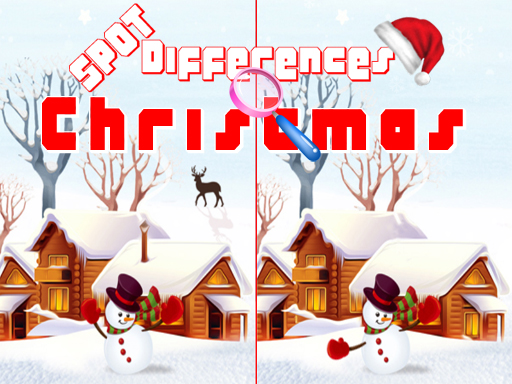
At its heart, this puzzle revolves around comparing two similar images to identify what makes them different. Players view both pictures side by side and click on areas where something has changed. The variations might involve color shifts, missing objects, or altered positions. This simple interaction forms the foundation of the experience, requiring focused attention rather than quick reflexes. The game provides clear visual cues when a difference is correctly identified, helping players track their progress through each scene.
Visual Design and Seasonal Themes
Each level presents a unique holiday setting, such as a room with a decorated tree, a snowy outdoor landscape, or a cozy interior with festive ornaments. The artwork uses bright colors and cheerful details to create a warm atmosphere. These scenes are designed to be inviting and relaxing, encouraging players to spend time examining the visuals. The variety in settings keeps the experience fresh, as no two levels look exactly the same. The overall style aims to evoke a sense of comfort and celebration.
Scoring and Feedback Systems
A scoring mechanism rewards players for finding differences quickly and accurately. Each correct click adds to the total, while mistakes may reduce the score or reset progress on that particular variation. A timer adds a mild sense of urgency, but players can replay levels to improve their performance without penalty. The game also includes a hint feature that highlights a remaining difference when needed, though using hints may lower the final score. This balance encourages careful observation while still allowing assistance for challenging spots.
Accessibility and Control Design
The controls are straightforward: players click or tap directly on the area where they spot a difference. This point-and-click interface works well on computers, tablets, and smartphones, making the game accessible across devices. No prior knowledge or reading is required, so young children and older adults can participate equally. The interface uses large, clear buttons and provides immediate feedback, reducing confusion. This simplicity allows players to focus entirely on the puzzle without struggling with complex menus or controls.
Progression and Difficulty Curve
Early levels introduce obvious differences that are easy to spot, helping new players understand the mechanics. As players advance, the variations become more subtle, requiring closer inspection and patience. Some differences might involve small details like a missing ornament on a tree or a slight color change in a scarf. This gradual increase in difficulty keeps the game engaging without causing frustration. Players can choose to replay earlier levels to practice or move forward to test their observation skills further.




Comments
0 comments