Core Assembly Mechanics
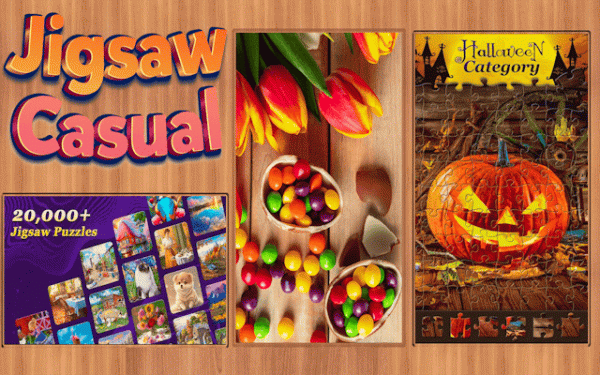
Players select an image from a curated library of high-quality photographs and illustrations. Each picture is divided into interlocking fragments that must be placed on a virtual board. The interface uses straightforward click-and-drag actions to move each piece, simulating the tactile experience of working with physical cardboard cutouts. A side panel holds all available fragments, and the main workspace provides ample room for arrangement. This design keeps the focus on pattern recognition and spatial reasoning without complicated controls.
Image Library & Variety
The collection includes hundreds of images spanning natural landscapes, architectural wonders, wildlife portraits, and artistic compositions. New pictures are added on a regular basis, giving returning players fresh material to work with. Each image is rendered in clear, detailed resolution so that color gradients and fine lines remain visible even when divided into many small pieces. This variety ensures that players can always find a subject that appeals to their personal taste.
Difficulty Customization
Players can adjust the challenge level by choosing how many fragments to use for each puzzle. Options range from a modest number suitable for quick sessions to a higher count that requires more time and concentration. This flexibility accommodates both casual players looking for a brief mental break and those who prefer a longer, more immersive activity. The ability to select piece count independently for each puzzle means the same image can be experienced in different ways on different days.
Personal Creations & Progress Tracking
An option to upload personal photographs allows players to transform their own memories into puzzles. This feature works with standard image formats and maintains the original picture quality. The game automatically saves progress on any unfinished assembly, so players can step away and return later without losing their work. A completion log shows which puzzles have been finished, encouraging players to work through the entire library at their own pace.
Helpful Tools & Visual Clarity
For moments when a piece seems difficult to place, a hint function can highlight the next correct position. A preview window displays the completed image, helping players orient themselves during assembly. The workspace remains uncluttered, with no distracting animations or intrusive menus. These tools support the puzzle-solving process without removing the satisfaction of independent discovery.
Comments
0 comments