Planetary Layouts
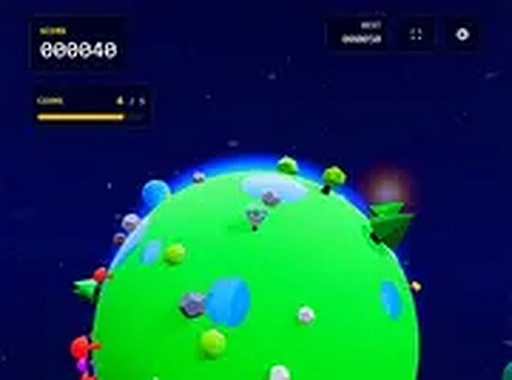
Each run in Stellar Path Explorer takes place on a small, procedurally generated planet. The terrain shifts with every attempt, creating new paths and obstacles. This randomness keeps each session fresh, as players must adapt to different surface patterns and coin placements. The compact scale of these worlds means decisions happen quickly, encouraging fast reactions and careful observation.
Core Mechanics
Players control their character using keyboard arrows on desktop or swipe gestures on mobile devices. The main objective is to keep moving forward while collecting shiny coins scattered across the planet. Alien creatures appear along the route, and contact with them ends the current run. This simple risk-reward loop forms the foundation of the experience, with each run lasting only a few minutes.
Power-Up System
Two types of power-ups appear randomly during gameplay. The Speed Boost temporarily increases movement speed, helping players outpace nearby aliens. The Magnet attracts coins from a greater distance, making collection easier. These items provide short-term advantages that can extend a run or boost the final score. Using them at the right moment adds a layer of strategy to the otherwise straightforward action.
Visual Style and Performance
The game uses a low-poly art style that gives characters and planets a charming, geometric look. Colors are bright and friendly, matching the family-friendly tone. Stellar Path Explorer runs smoothly in most modern browsers on both desktop and mobile devices. No downloads or installations are needed, and a full-screen mode is available for a more focused view.
Progression and Challenge
As players advance, the number of aliens increases and the overall speed rises. This gradual difficulty curve means beginners can learn the controls at a comfortable pace, while experienced players face a tougher test. The procedural generation ensures that no two runs feel exactly alike, which supports repeated play without boredom. Each new planet offers a small puzzle in navigation and timing.





Comments
0 comments