Observation and Planning
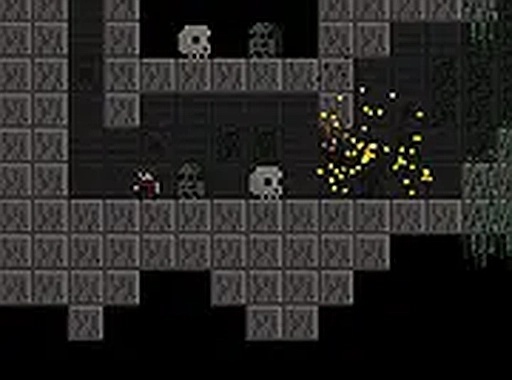
In Stealth Corridor Logic Quest, success depends on reading the environment before acting. The game presents a series of rooms and passages where the floor may conceal pressure plates or other reactive elements. Players must study subtle visual cues, such as slight variations in tile texture or shadow patterns, to predict where danger might lie. This design encourages a methodical approach: pause, scan, then move. Rushing through often leads to restarting a section, so patience becomes a valuable tool.
Level Structure and Difficulty
The game offers a sequence of stages that gradually introduce new arrangements and combinations of hazards. Early levels serve as a tutorial, teaching players to recognize common trap indicators. Later stages increase complexity by mixing multiple trap types or by placing them in less obvious locations. The difficulty curve feels natural, allowing players to build confidence before facing more intricate puzzles. Each completed stage provides a sense of progress without relying on arbitrary timers or score multipliers.
Controls and Accessibility
Designed exclusively for desktop play, Stealth Corridor Logic Quest uses keyboard and mouse inputs for precise movement. Players can click to direct the character or use arrow keys for step-by-step navigation. The interface remains clean, with no distracting menus or pop-ups during gameplay. Full-screen mode is available for those who prefer an uninterrupted view. Because the game runs directly in a browser, there is no need to install software or create an account, making it easy to start playing immediately.
Visual Style and Atmosphere
The art direction favors a minimalist approach, with muted colors and simple geometric shapes that keep the focus on puzzle solving. Lighting effects are used sparingly to highlight points of interest without overwhelming the screen. The absence of elaborate animations or background music reduces cognitive load, helping players concentrate on the task at hand. This restrained aesthetic supports the game's core theme of careful observation, where every visual detail may carry meaning.




Comments
0 comments