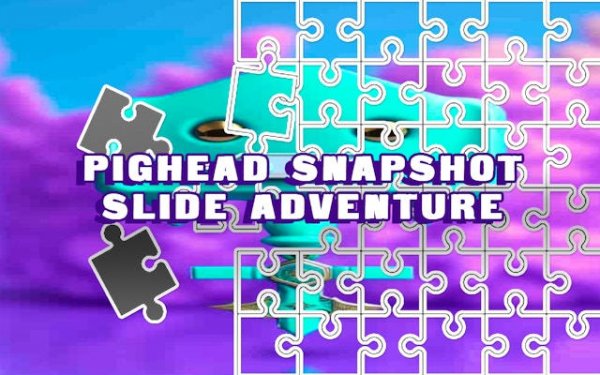
Core Puzzle Logic
At its heart, this game presents a grid of image pieces, with one slot left open. Players slide neighboring tiles into the empty space, gradually reconstructing the original picture. The challenge lies in planning a sequence of moves that efficiently brings each piece to its correct position. There is no random element; success depends entirely on spatial reasoning and sequential thinking. This straightforward mechanic creates a satisfying loop of trial, adjustment, and eventual completion.
Visual Presentation and Feedback
Each puzzle uses clear, vibrant imagery that divides neatly into square sections. The tiles respond instantly to clicks or taps, sliding smoothly into place. A visible counter records the total number of moves made, offering a simple metric for personal improvement without imposing any pressure. The interface remains uncluttered, focusing attention on the puzzle itself. This clean design helps maintain a relaxed atmosphere, letting players concentrate on the logical task at hand.
Pacing and Accessibility
One of the defining aspects of this puzzle is its complete absence of timers or scoring systems that penalize slow play. Players can pause, reflect, and return to the puzzle at any moment. This makes it equally suitable for a few minutes of mental exercise during a commute or a longer, immersive session at home. The controls work equally well with a mouse on desktop or touch input on mobile devices, ensuring a consistent experience across platforms. The difficulty scales naturally with the size of the grid, offering a gentle learning curve for newcomers.
Strategic Approaches
While the basic action is simple, developing an efficient solving method adds depth. Beginners often work from one corner, methodically placing tiles in order. More experienced players might focus on creating patterns or solving multiple rows simultaneously. The move counter encourages experimentation with different strategies to reduce the total number of slides. Over time, players naturally develop a personal approach, turning each new puzzle into a fresh opportunity to refine their technique. This gradual skill building is a key source of long-term engagement.

Comments
0 comments